Joget Product Workflow for Feedback and Release Management
Date
Nov 28, 25
Reading Time
9 Minutes
Category
Low-Code/No-Code Development
Share


Most products fail not because of bad ideas but because teams cannot handle fast-moving feedback loops.
Customer insights come from 10 different directions, while product releases follow slow, manual, approval-heavy processes.
This gap creates missed opportunities and delayed improvements, costing businesses their users.
A product workflow that connects feedback, decisions, and releases is no longer optional. It is a competitive requirement.
What is Joget Product Workflow
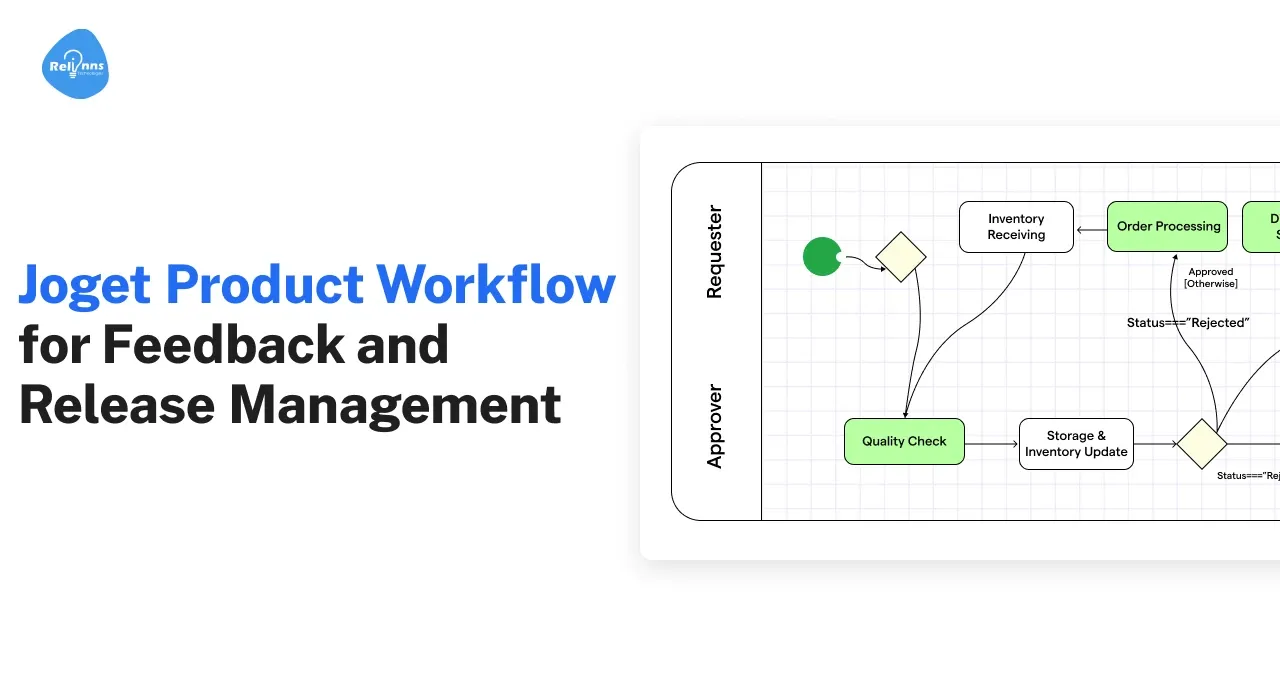
Joget product workflow is a structured system built on the Joget platform that helps product teams manage feedback, approvals, development tasks, and release cycles in one unified place.
It replaces scattered spreadsheets, chats, and manual follow-ups with a visual, automated workflow that keeps every stage of the product lifecycle organized.
Joget product workflow connects.
- Feedback collection
- Prioritization
- Development and QA tracking
- Release planning
- Documentation
- Communication
- Post-release analysis
Product teams get a clear, automated path from idea to release. Nothing gets missed, every step is tracked, and decisions become easier because information stays in one central system.
In simple terms, the Joget product workflow helps teams ship better releases faster by combining automation, AI insights, and low-code flexibility.
Understanding Product Feedback Challenges
Most product teams face the same pain points.
Feedback sits scattered across emails, support chats, spreadsheets, and meeting notes. Teams struggle to categorize, prioritize, and validate ideas without losing context. By the time feedback reaches the release stage, it often becomes outdated or misaligned.
Joget fixes this by creating a structured feedback lifecycle. Every suggestion enters one place, automatically categorized, labeled, and routed to the right team. LLM-powered text analysis helps identify patterns, sentiment, urgency, and relevance.
This early structure prevents confusion and speeds decision-making.
Why Product Release Management Needs Automation
Product releases involve many teams and moving parts. When everything is handled manually, even minor delays stack up and push releases off schedule.
Teams depend on email, chat, and spreadsheets, which make tracking confusing and inconsistent. This creates slowdowns, missed approvals, and unclear responsibilities.
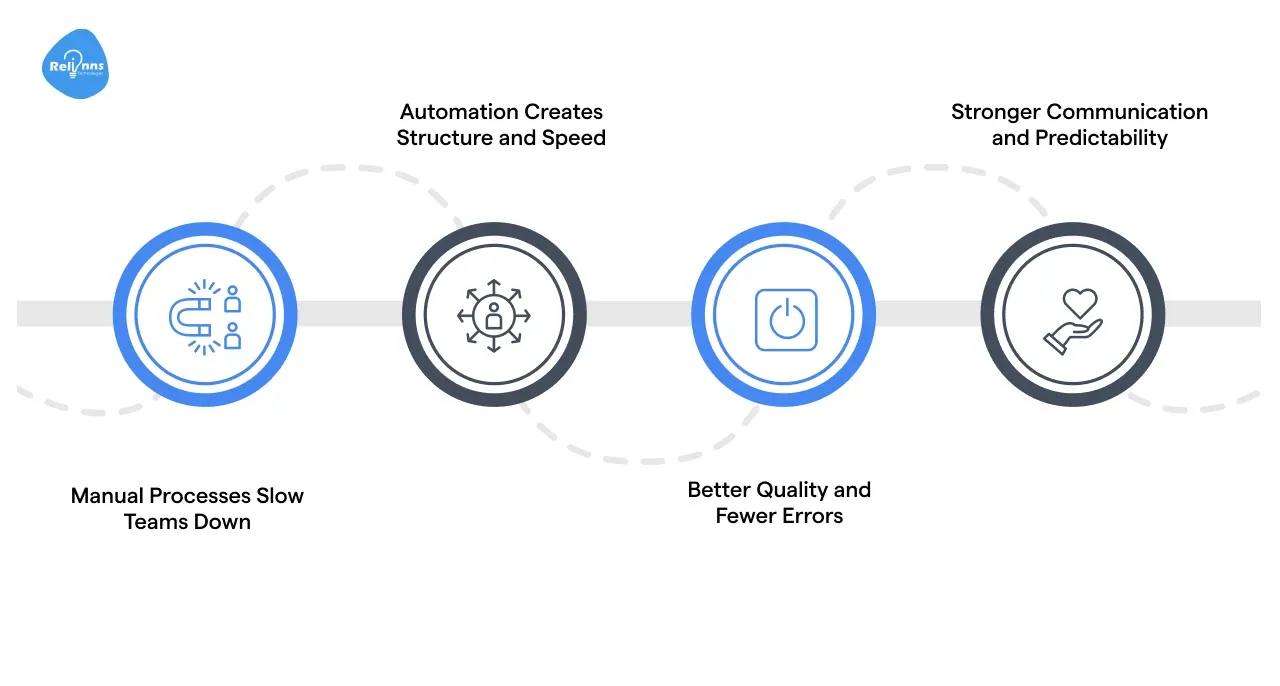
Manual Processes Slow Teams Down
- Without automation, teams rely on reminders and back and forth communication.
- Developers finish work but QA waits for updates.
- Managers approve features but others miss the message.
- These gaps increase the risk of mistakes and unpredictable timelines.
Automation Creates Structure and Speed
Joget product workflow ensures every release follows a clear path. Tasks trigger automatically, approvals move to the right people, and nothing gets lost in inboxes. Teams stay aligned because progress is always visible on dashboards.
Better Quality and Fewer Errors
Automated checks prevent skipped steps.
AI summaries help create accurate release notes and documentation.
This makes each release cleaner, faster, and more reliable.
Stronger Communication and Predictability
Joget can notify teams, update customers, and automatically trigger post-release feedback. This keeps everyone informed and makes future releases easier to plan.
Automation turns release management into a predictable, repeatable workflow that supports growth instead of blocking it.
How Joget Product Workflow Works
Joget brings forms, processes, data handling, integrations, and automation into a single visual platform. Product teams do not need coding skills or technical experience.
They simply drag, configure, and connect workflow elements, allowing the entire product lifecycle to run with clarity and consistency. This makes Joget a practical choice for teams that want automation without complexity.
Core Components of a Joget Product Workflow
A standard Joget product workflow includes
- A unified feedback form that collects ideas from customers and internal teams
- Automated categorization and routing that sends feedback to the right owner
- Approval flows that help prioritize work based on impact and feasibility
- Development and QA tracking to follow progress through each stage
- Release readiness approvals that ensure quality and compliance
- Customer communication triggers for updates and announcements
- AI-supported documentation search to simplify information retrieval
- Dashboards that give product managers a real-time view of progress
These components work together to create a structured, reliable system that reduces confusion and accelerates delivery.
Fully Customizable for Enterprise Needs
Joget lets you tailor every part of the workflow to how your organization operates. Teams can adjust rules, fields, and integrations to match their internal processes without relying on developers.
This flexibility helps enterprises maintain control while still benefiting from automation and AI-driven insights.
How to Build a Product Feedback System on Joget
A strong feedback system starts with clean and consistent collection. Joget makes this simple by giving product teams a unified way to gather input from users, internal teams, support channels, and other sources.
Instead of feedback scattered across emails, chats, and spreadsheets, everything enters one central place. This creates the foundation for a reliable and scalable product workflow.
Collecting Feedback from Multiple Channels
Joget allows feedback to be captured through
- Custom forms
- API submissions
- Chatbots
- Mobile apps
- Third-party integrations
- Internal tools like CRM or support software
Every submission lands in a single system so teams never lose track of essential insights. Joget ensures feedback is stored without duplication, preventing clutter and confusion from similar requests.
Using AI to Understand and Organize Feedback
Large volumes of feedback are difficult to manage manually. Joget supports AI and LLM capabilities that help teams analyze incoming data with more accuracy and less effort.
AI can handle
- Automatic sentiment detection to identify positive or negative tone
- Keyword extraction that highlights essential themes
- Feedback scoring to assess urgency or impact
- Similar feedback grouping to combine related inputs
- Duplicate removal to avoid repetitive analysis
These features help product managers understand customer needs quickly and make early decisions with confidence.
Routing and Prioritizing Feedback Automatically
Once feedback is entered into the system, Joget can route it to the appropriate team or product owner based on category, priority, or sentiment. Rules can be set to ensure every submission receives attention.
Critical items trigger instant alerts, while general suggestions follow a standard workflow. This keeps the review process organized and reduces the chances of important feedback being overlooked.
Assigning, Linking, or Archiving Feedback
Product managers can assign feedback to owners, link it to existing tasks or features, or archive it when it is not relevant. Joget’s structured approach ensures every piece of feedback has a clear status.
This reduces clutter and gives teams an accurate view of what needs attention.
Maintaining Transparency with Audit Trails
Decision clarity is essential in product development. Joget automatically records who reviewed, approved, or archived feedback.
Comments, scores, and routing history remain stored in the system. This audit trail helps product teams justify decisions, align stakeholders, and maintain accountability.
Building a Feedback System That Scales
A feedback system must grow with the product. Joget makes scaling easier by enabling teams to update forms, rules, AI models, and workflows without code.
New feedback sources can be added whenever needed. This flexibility ensures the system evolves smoothly as customer needs increase.
In summary, Joget creates a structured, AI-enhanced feedback system that helps product teams stay organized, respond faster, and make smarter decisions throughout the development cycle.
Prioritizing Feedback Using Joget
Once feedback enters the system, the next challenge is prioritization. Different teams use different models, such as RICE, MoSCoW, or value impact scoring.
Joget supports all of them. You can create configurable scoring models that assign a numeric value to each feedback category. AI-based recommendations highlight items with higher potential impact or customer demand.
The approval workflow guides product managers through steps like
- Review
- Score
- Discuss
- Approve
- Mark for development
This keeps prioritization objective rather than opinion-driven.
Connecting Feedback with Development Tasks
Once feedback is approved, it triggers development tasks. Joget integrates with tools like Jira, GitHub, GitLab, and Trello.
Tasks are created automatically with context, attachments, and user information.
- No more missing details.
- No more rewriting requirements.
- Everything flows seamlessly from feedback to development.
- Developers receive clear instructions and timelines.
- Product managers track progress on Joget dashboards.
How to Manage Release Cycles with Joget Workflow
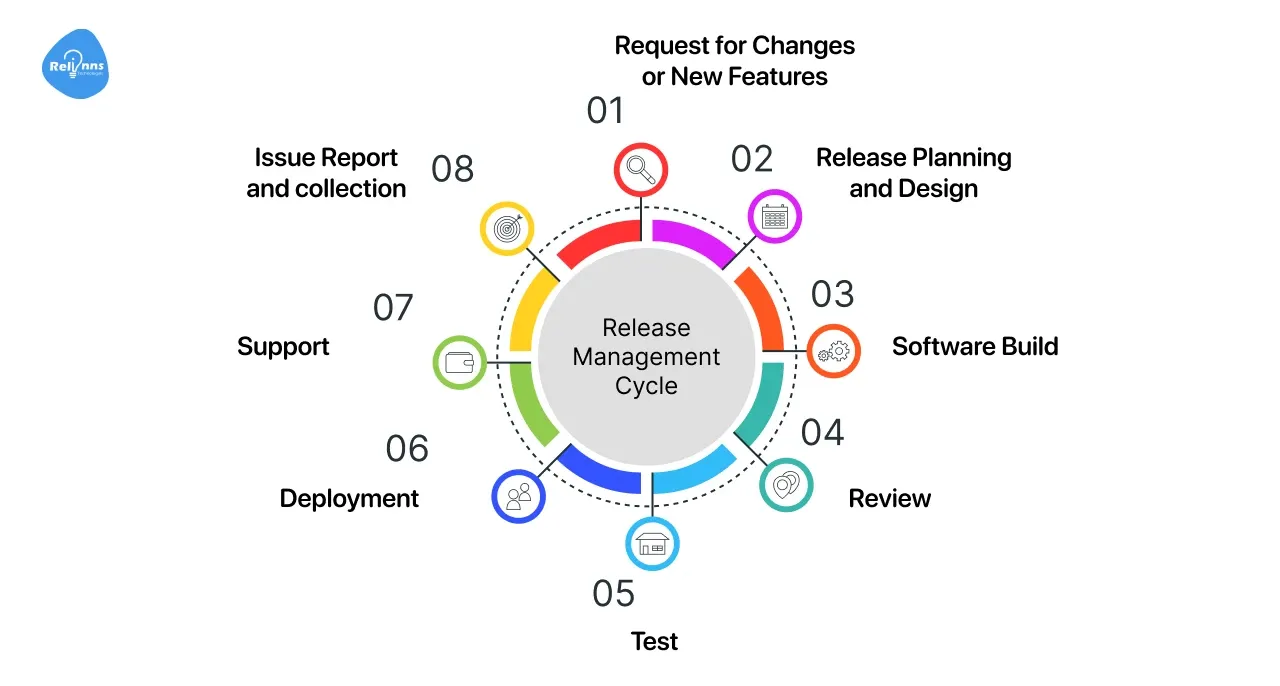
Release management requires structure because even small gaps in coordination can delay a launch. Many product teams struggle with scattered approvals, incomplete testing updates, and unclear responsibilities.
Joget solves these challenges with a guided release workflow that moves each feature through a clear, step-by-step path. This ensures nothing is missed, and every release meets the expected quality.
Feature Readiness Checks for Early Validation
A release begins when a feature is marked ready for review. Joget can automatically start a readiness checklist that verifies the feature has complete requirements, stable functionality, and documented changes.
This prevents half-prepared items from entering the release cycle and helps product teams maintain consistency.
Centralized Testing Documentation
Testing is often where release cycles slow down due to unclear updates or missing information. Joget allows QA teams to upload test reports, attach screenshots, add notes, and label results directly inside the workflow.
Everything stays organized in one system, making it easier for managers to verify progress.
Clear and Trackable QA Approvals
Quality assurance requires approvals that confirm the feature performs as expected. Joget assigns QA reviewers automatically, sets priorities, and notifies them when a task reaches their stage. Each approval is logged, ensuring that no feature moves forward without proper validation.
Compliance and Security Verification
For enterprises, compliance checks are essential. Joget supports this by including verification steps for security, performance, and regulatory standards.
Teams can attach compliance documents, run automated checks, or assign tasks to dedicated reviewers. This reduces risk and ensures releases follow organizational policies.
Smooth Execution of Deployment Tasks
Deployment often involves coordination between development, infrastructure, and operations teams. Joget can assign deployment tasks, track their status, and notify stakeholders when they are completed. This creates a predictable deployment process that reduces last minute issues.
Structured Planning for Communication
Customers and internal teams need clear information about what is being released.
Joget includes communication planning steps such as:
- Preparing internal updates
- Creating customer-friendly explanations
- Notifying sales, support, and marketing teams
- Scheduling external announcements
This ensures everyone receives accurate and timely updates.
Automated Release Notes for Faster Documentation
Writing release notes manually is time-consuming. Joget uses AI to summarize development logs, feedback, testing data, and approvals into easy-to-read content. This improves accuracy and saves teams hours of manual writing.
Ensuring Every Release Meets Quality Standards
- The most significant value of Joget is its ability to create a predictable, repeatable release cycle.
- Each step is completed in sequence.
- Approvals cannot be skipped.
- Documentation remains accessible.
- Teams always know the status of a release at any moment.
By standardizing the entire process, Joget helps companies deliver timely, consistent releases that align with customer expectations.
AI and LLM Enhancements in Joget Product Systems
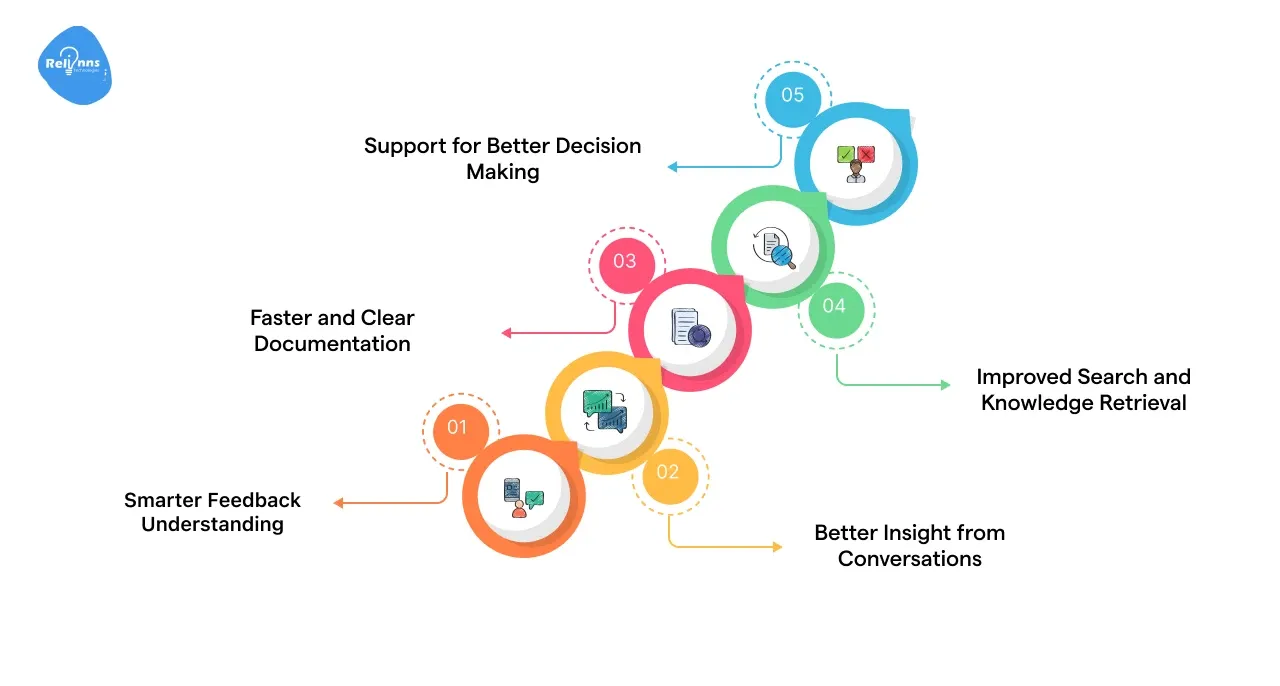
AI is no longer an optional feature in modern product workflows. It has become a core advantage that improves accuracy, reduces manual work, and speeds up decision-making.
Joget integrates AI and LLM capabilities directly into its workflows, helping product teams work smarter at every stage.
Smarter Feedback Understanding
AI can automatically classify feedback, detect sentiment, and highlight the themes users care about. It identifies similar or duplicate requests so teams do not waste time reviewing the same idea repeatedly.
Better Insight from Conversations
Joget can analyze customer messages from support chats, emails, or surveys to identify patterns and trends. This helps product teams understand what users truly need without reading every comment manually.
Faster and Clear Documentation
LLM models assist with drafting release notes and summarizing long conversations or development threads. This keeps documentation accurate, consistent, and simple to read.
Improved Search and Knowledge Retrieval
AI enhances internal search, enabling teams to find information quickly. Instead of digging through old tickets or documents, users get direct answers based on context.
Support for Better Decision Making
With clearer insights, faster summaries, and structured data, product teams make decisions with confidence. This reduces workload, removes guesswork, and improves clarity across all departments.
Why Enterprises Choose Joget for Product Workflow Automation
Enterprises choose Joget because it is flexible, scalable, and simple to maintain. Teams are not forced to rely on developers for every small update.
Non-technical staff can adjust workflow steps, modify forms, update dashboards, and manage integrations with ease. This reduces operational dependency and speeds up internal innovation.
Designed for Modern Enterprise Needs
Joget is a strong fit for companies that require
- Rapid modernization without rebuilding existing systems
- Unified product processes that reduce confusion
- Secure internal tools that protect sensitive data
- Custom automation that matches their workflow style
- Cost-effective infrastructure that avoids long development cycles
- Integrations with CRMs, support tools, and development platforms
- AI-powered search and insights that support smarter decisions
Built for Growing and Complex Teams
Joget works exceptionally well for mid to large enterprises where multiple teams need transparency and standardized workflows. It adds structure without limiting flexibility and automates without a heavy technical investment. This combination makes Joget a long-term solution for improving product workflows at scale.
Why Relinns is the Ideal Joget Partner for Product Workflows
Relinns helps companies build enterprise-ready Joget applications that support real product operations. As an official Joget Partner, Relinns offers the expertise needed to design workflows that are reliable, scalable, and aligned with business goals.
Teams get solutions that are easy to maintain and powerful enough to support growing product demands.
What Relinns Delivers
Relinns provides
- Custom workflow design that matches your processes
- AI integration for more intelligent automation
- Enterprise automation setup with strong internal controls
- UX improvements for easy adoption
- Data migration from existing systems
- Performance optimization for long-term stability
- Ongoing support and maintenance
- Product strategy acceleration to align workflows with growth plans
A Partner with Real Product and Low Code Expertise
Relinns brings a mix of low-code development skills and practical product management understanding. This helps teams build workflows that work in real conditions, not just in theory.
With Relinns, enterprises get a partner that understands the challenges of product cycles and builds systems that help teams work faster and smarter.
Conclusion
Product teams win when they can close the feedback loop quickly and release improvements without chaos. Joget creates a structured, automated, AI-enhanced workflow that simplifies everything from feedback intake to release approvals. This reduces confusion, increases release quality, and brings measurable improvements in how products evolve.
If your organization wants clarity in decision-making and reliability in execution, the Joget product workflow is a strong choice. Relinns is an ideal implementation partner because the team understands both product strategy and workflow automation.
Relinns helps enterprises design custom Joget systems that fit their processes, integrate with their tools, and enhance productivity.
With experience across industries, Relinns delivers solutions that scale with your product roadmap.
Frequently Asked Questions (FAQ's)
What is the Joget product workflow?
It is a structured workflow built on Joget that manages product feedback, prioritization, development, and release cycles in a unified system.
Can Joget integrate with tools like Jira and GitHub?
Yes. Joget connects with Jira, GitHub, GitLab, Trello, and many other development tools to sync tasks and updates.
Does Joget support AI for feedback classification?
Yes. Joget uses AI and LLM capabilities to categorize feedback, detect duplicates, extract keywords, and enhance search.
Is Joget suitable for large enterprise product teams
Joget is designed for scalable, secure, enterprise-grade product workflows, making it ideal for large teams with complex processes.