Top 10 AI Customer Service Software Compared for 2026
Date
Dec 18, 25
Reading Time
12 Minutes
Category
Generative AI
Share


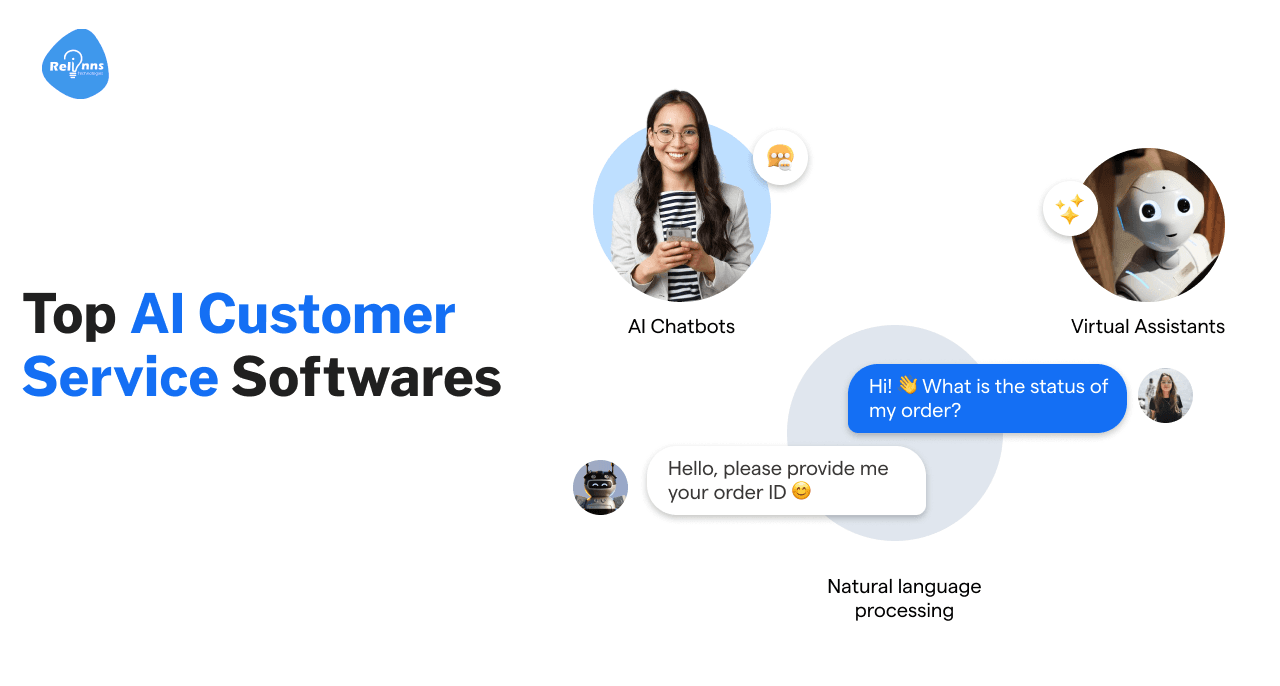
AI Customer Service Software helps support teams work faster, stay organized, and deliver consistent experiences across channels. They automate tasks like routing, classification, and response suggestions, making support more predictable. With rising digital traffic, companies rely on these tools to maintain quality without expanding headcount.
As expectations rise, selecting the best AI customer service software is essential to ensure reliable operations.
Companies comparing leading AI customer service software options look for depth of automation, usability, and overall support capabilities.
This article takes a closer look at how the top platforms handle real customer service challenges, the strengths they bring to different team environments, and the specific capabilities that make each tool valuable for modern support operations.
What Makes AI Customer Service Software Effective?
Teams adopting AI Customer Service Software want fewer repetitive tasks and more predictable support outcomes.
These platforms offer automated routing, innovative suggestions, and insights from customer patterns. Because support teams handle constant volume, reducing manual strain is essential.
Research from G2 shows that more than 70% of businesses achieved faster resolution times after adopting service automation. Companies searching for the best AI customer service software want systems that reduce queue times, simplify messaging, and maintain accuracy.
These tools also help align conversations across chat, email, and social channels. Organizations evaluating the best-rated AI customer service software want strong analytics and flexible workflows that grow with the business.
Leading AI customer service software providers offer advanced AI capabilities, including predictive insights and context-aware responses. Their value lies not in replacing agents but in helping teams stay consistent and efficient.
Benefits of Using AI Customer Service Software
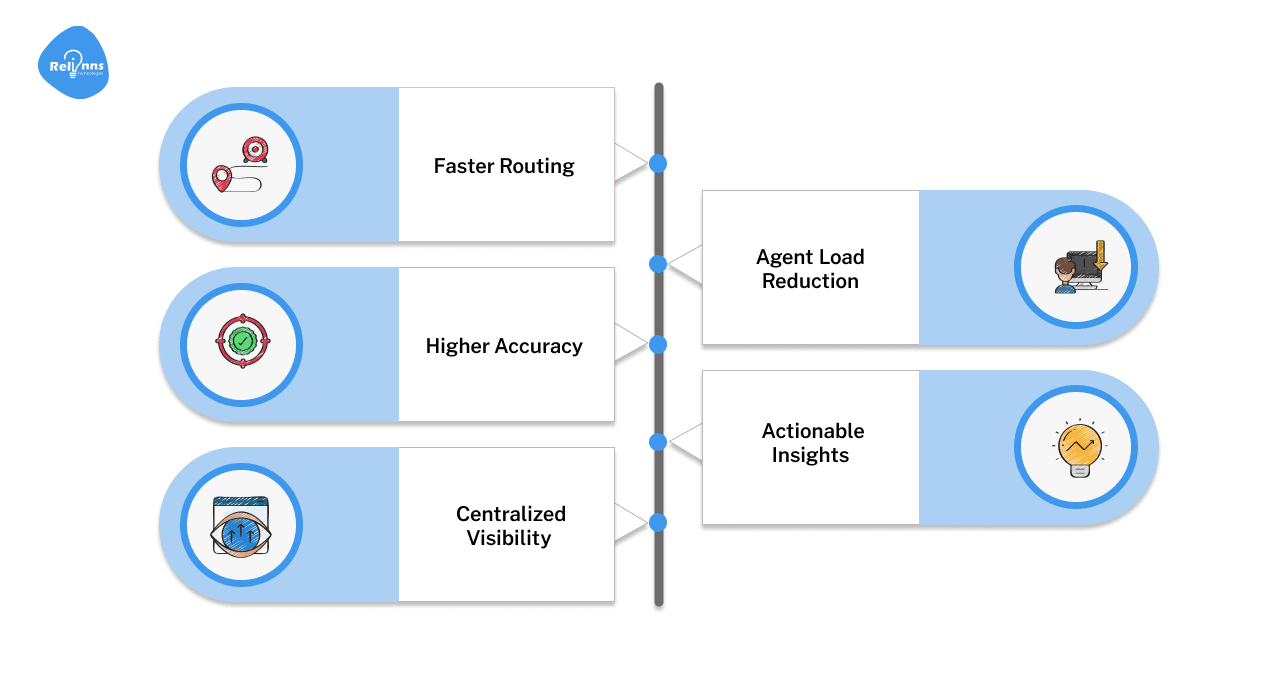
The demand for AI Customer Service Software has increased because support teams face higher workloads without proportional staffing. These tools help by automating routine tasks and providing agents with better context. Faster replies, reduced errors, and improved routing make service smoother.
Customers benefit from dependable answers across all channels. Many reports indicate a growing need for the best-rated AI customer service software that supports multi-channel workflows.
The right tools help businesses stay responsive during peak periods and adopt structured communication systems. Leaders evaluating the best AI customer service software consider reliability, scalability, and historical performance.
Strong AI tools deliver consistent support outcomes by cutting unnecessary steps.
They also help companies transition from reactive service models to organized, data-driven strategies. This shift helps organizations manage growth and improve customer confidence.
Core Benefits
- Faster routing helps reduce delays during high support load periods.
- Better accuracy creates consistent experiences that customers can trust long term.
- Centralized dashboards help teams track performance across every interaction.
- Automated replies reduce strain on agents during routine conversations.
- Strong insights highlight trends and help refine service strategy reliably.
Comparison Table: Top AI Customer Service Tools (2026)
Leading AI Customer Service Software varies widely in automation depth, pricing, and real-world performance.
This table offers a quick view of how the top platforms compare before exploring each tool in detail.
Tool | Best For | G2 Rating | Key AI Feature |
| Zendesk AI | Large enterprises managing complex multichannel support operations | 4.4/5 | Intent detection with automated response suggestions |
| Intercom Fin AI | Digital businesses handling continuous conversational user queries | 4.5/5 | Long-context AI responses for natural interactions |
| Freshdesk AI | Mid-market teams wanting automated triage and streamlined workflows | 4.4/5 | AI field prediction and smart ticket routing |
| Salesforce Einstein Service | Global enterprises requiring CRM-aligned customer service flows | 4.3/5 | Predictive case routing and AI knowledge extraction |
| Help Scout AI | SMB teams wanting simple, human-friendly support automation | 4.6/5 | AI summaries and suggested article recommendations |
| Ada | Brands seeking high automation and strong self-service experiences | 4.6/5 | AI self-service flows with high containment percentages |
| Zoho Desk Zia | Cost-conscious teams requiring strong automation at budget pricing | 4.4/5 | Sentiment analysis and ticket classification suggestions |
| LiveChat AI | Businesses needing real-time engagement and instant user response | 4.5/5 | Intent recognition and dynamic chat triggers |
| Tidio AI | Ecommerce brands handling high-volume customer messages daily | 4.7/5 | Lyro autonomous AI agent for store-level support |
| HubSpot Service Hub AI | Growing companies want CRM-connected service automation | 4.4/5 | Response suggestions, sentiment insights, and ticket classification |
Top 10 AI Customer Service Software (2026)
Below are the top AI Customer Service Software evaluated using verified pricing, industry data, and 2024–2025 platform updates.
Each tool follows the exact locked structure.
1. Zendesk AI
Zendesk AI supports large support teams managing high message volume across channels.
Its automation finds customer intent and assists agents with suggested responses. It helps teams reduce manual triage and maintain consistent answers during peak traffic.
Zendesk remains a leading AI customer service provider for enterprises that require predictable service flows. Many companies consider it one of the best AI customer service software choices due to its stability.
Best For: Enterprise teams handling multi-channel support at scale
Best Use Case: High-volume operations requiring accurate intent detection
Pricing: Free tier available; paid plans from $25 monthly
Key Features
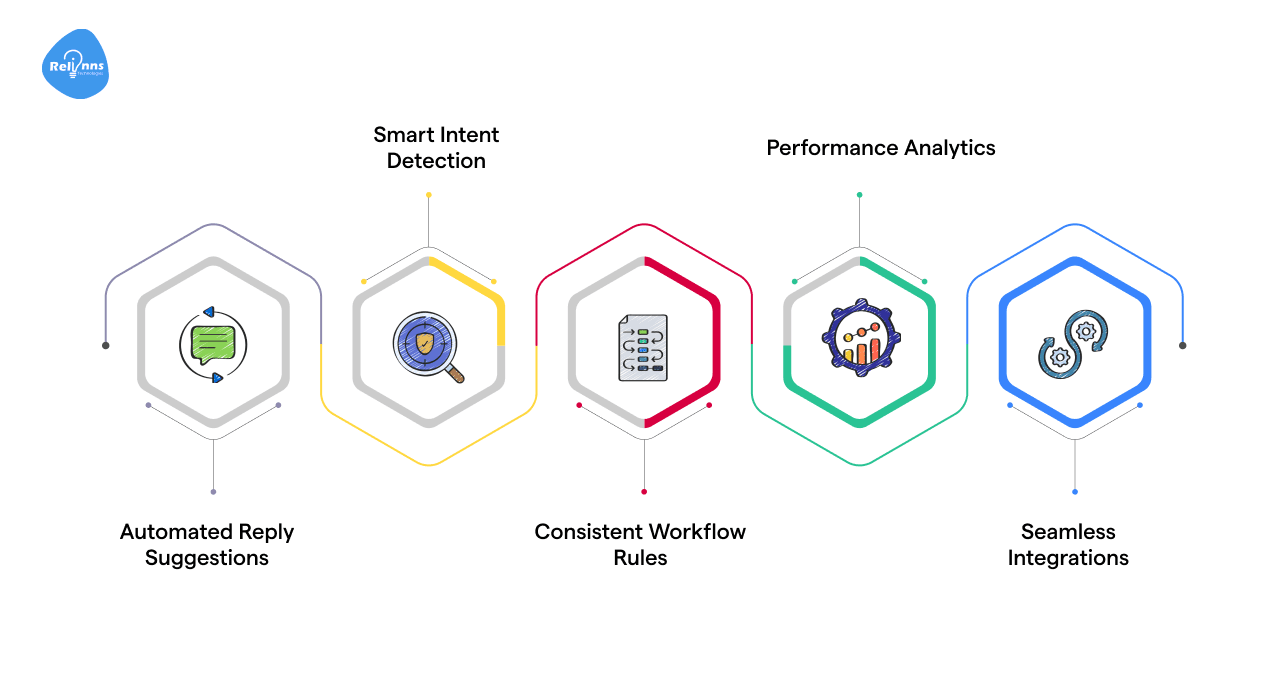
- Automated suggestions reduce manual message drafting for large teams.
- Intent detection improves routing accuracy for incoming customer queries.
- Workflow rules support consistent communication across multiple channels.
- Analytics dashboards track core service metrics and agent performance.
- Integrations help unify support with sales and operations systems easily.
Overall, it serves enterprises that need structured, dependable support operations.
2. Intercom Fin AI
Intercom Fin AI focuses on conversational support for digital products. Its model handles long context, enabling natural, cohesive replies.
Fin helps teams reduce repetitive questions and maintain fast communication inside apps and websites.
Many SaaS platforms consider it the best-rated AI customer service software due to its clarity and user-friendly design. It excels in environments where users constantly interact with applications.
Best For: Product-led teams needing in-app conversational assistance
Best Use Case: Fast replies for continuous user interactions inside platforms
Pricing: Free tier available; paid plans from $39 monthly
Key Features
- Long-context responses reliably maintain natural, complete conversations.
- In-app messaging improves customer engagement within digital products.
- Intelligent routing directs complex cases to appropriate human agents.
- Conversation records help teams clearly understand support patterns.
- Performance insights reveal areas needing improvement over time.
It works well for teams wanting precise in-app communication management.
3. Freshdesk AI
Freshdesk AI offers automation and triage suited for mid-market organizations. Its predictive fields and ticket routing reduce repetitive manual entry.
Freddy AI improves communication clarity and helps agents respond quickly. Many companies consider it when selecting the best AI customer service software because it is easier to deploy.
It remains a steady choice among leading AI customer service software tools.
Best For: Mid-sized teams seeking accessible and reliable support automation
Best Use Case: Automated triage for email and multi-channel support queues
Pricing: Free tier available; paid plans from $19 monthly
Key Features
- Predictive fields reduce the manual inputs required from service agents.
- Sentiment analysis offers insight into customer mood during issues.
- Workflow automations help teams efficiently organize incoming support messages.
- Multi-channel handling keeps communication unified across support systems.
- Reports accurately highlight ticket patterns and team performance metrics.
It supports teams needing organized automation without complex deployment.
4. Salesforce Einstein Service
Salesforce Einstein Service integrates directly with Salesforce CRM, giving enterprises a unified platform for support and customer insights.
It uses predictive routing and knowledge extraction to speed responses. Large organizations seeking the best-rated AI customer service software often select Salesforce for its robust infrastructure.
It helps manage complex processes and maintain accuracy in global service environments.
Best For: Enterprises requiring CRM-aligned service automation
Best Use Case: Predictive routing for high-skill support team structures
Pricing: Free tier available; paid plans from $25 monthly
Key Features
- Predictive routing automatically assigns cases to the most suitable agent.
- Knowledge extraction quickly organizes information from previous interactions.
- Multi-cloud integration supports significant enterprise communication needs.
- Dashboards offer detailed insights into case resolution timelines.
- Unified CRM view connects support data with customer activity records.
It is well-suited for enterprises that need a deep workflow structure and data alignment.
5. Help Scout AI
Help Scout AI offers an approachable, straightforward experience for small and medium-sized teams.
Its AI tools summarize conversations, suggest resources, and maintain a shared inbox. Many SMBs choose it when comparing leading AI customer service software options for human-friendly support.
It helps smaller teams stay efficient without complexity.
Best For: SMB teams needing clean tools for daily customer communication
Best Use Case: Summaries and suggestions for email and shared inbox workflows
Pricing: Free tier available; paid plans from $20 monthly
Key Features
- Conversation summaries shorten agent review time for support messages.
- Suggested articles improve accuracy across customer communication threads.
- Shared inbox tools prevent collision between multiple responding agents.
- Integrations support standard tools used by distributed support teams.
- Reports offer visibility into message patterns and volume changes.
It fits companies needing simplicity with dependable everyday performance.
6. Ada
Ada helps companies automate self-service workflows with high containment rates.
It allows teams to create flows that address common customer questions without manual intervention. Many retailers and telecom companies consider it the best rated AI customer service software for automation.
Ada is often compared with leading AI customer service software choices focused on autonomous operation.
Best For: Enterprise self-service environments with repetitive question volume
Best Use Case: Automated flows that reduce human involvement and queue pressure
Pricing: Free tier available; paid plans from $45 monthly
Key Features
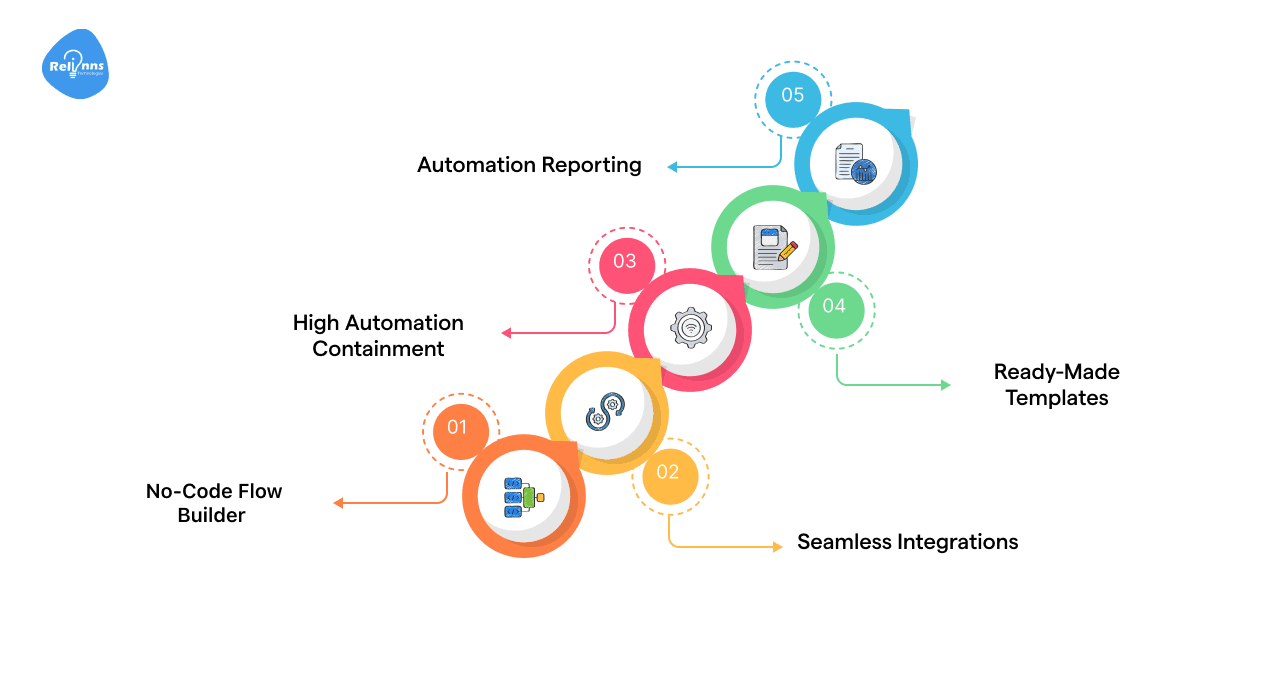
- A no-code builder enables non-technical teams to design support flows easily.
- Integrations help connect flows with CRM and back-office systems.
- High containment consistently reduces pressure on human support staff.
- Templates provide a quick way to set up common customer questions.
- Reporting highlights automation success rates and areas for improvement.
It is ideal for companies aiming for efficient autonomous support coverage.
7. Zoho Desk Zia
Zoho Desk Zia delivers structured AI functions at budget-friendly pricing. It offers sentiment detection, ticket suggestions, and workflow guidance.
Many small teams evaluate it when searching for affordable AI customer service software that remains affordable.
It supports consistent organization without large investment.
Best For: Budget-focused teams requiring AI support in manageable workflows
Best Use Case: Sentiment detection and classification for growing support operations
Pricing: Free tier available; paid plans from $14 monthly
Key Features
- Sentiment detection helps agents quickly understand customer emotion.
- Suggested replies improve consistency across frequent support interactions.
- Ticket categorization automatically groups messages by intent.
- Workflow guidance simplifies the setup of support processes for small teams.
- Integrations extend automation across the broader Zoho ecosystem.
It is suitable for teams wanting AI support without increased platform costs.
8. LiveChat AI
LiveChat AI supports real-time communication through dynamic response assistance and intent recognition. Companies choose it when rapid chat experiences matter.
Its AI helps categorize chats, trigger responses, and support agents during live sessions. Many organizations consider it one of the best AI customer service software choices for real-time engagement.
It performs well in environments needing immediate replies.
Best For: Companies running active chat-based customer interactions
Best Use Case: Instant help for real-time service conversations across websites
Pricing: Free tier available; paid plans from $20 monthly
Key Features
- Intent recognition identifies customer needs in ongoing conversations.
- Chat triggers help engage visitors at meaningful points during sessions
- Suggested replies reduce manual agent effort in high-speed interactions.
- Widget customization improves brand identity in chat experiences.
- Integrations connect customer chats with CRM and order systems.
It supports teams that depend heavily on fast, real-time conversations.
9. Tidio AI
Tidio AI is popular among ecommerce businesses that handle many customer queries. Lyro, its AI agent, replies autonomously and learns from customer patterns.
It frequently appears on lists of best-rated AI customer service software for online stores.
Its setup is simple, allowing small merchants to adopt automation quickly.
Best For: Ecommerce teams handling repeat customer questions at a steady volume
Best Use Case: Automated product FAQs and order-related customer conversations
Pricing: Free tier available; paid plans from $29 monthly
Key Features
- Lyro agent handles repetitive questions without human involvement.
- Multichannel communication organizes customer messages from various sources.
- Insights show customer behavior patterns across store interactions.
- Easy setup helps smaller teams adopt AI tools without delay.
- Scripts guide customers through common ordering and product steps.
It helps online stores maintain consistent service quality with minimal strain.
10. HubSpot Service Hub AI
HubSpot Service Hub AI provides CRM-aligned support for growing teams. It offers ticket suggestions, sentiment insights, and knowledge recommendations.
Many organizations compare it with leading customer service software tools that integrate well with marketing and sales.
It helps unify customer communication across departments smoothly.
Best For: Growing companies needing CRM-connected service management
Best Use Case: Unified customer view for support agents and internal teams
Pricing: Free tier available; paid plans from $20 monthly
Key Features
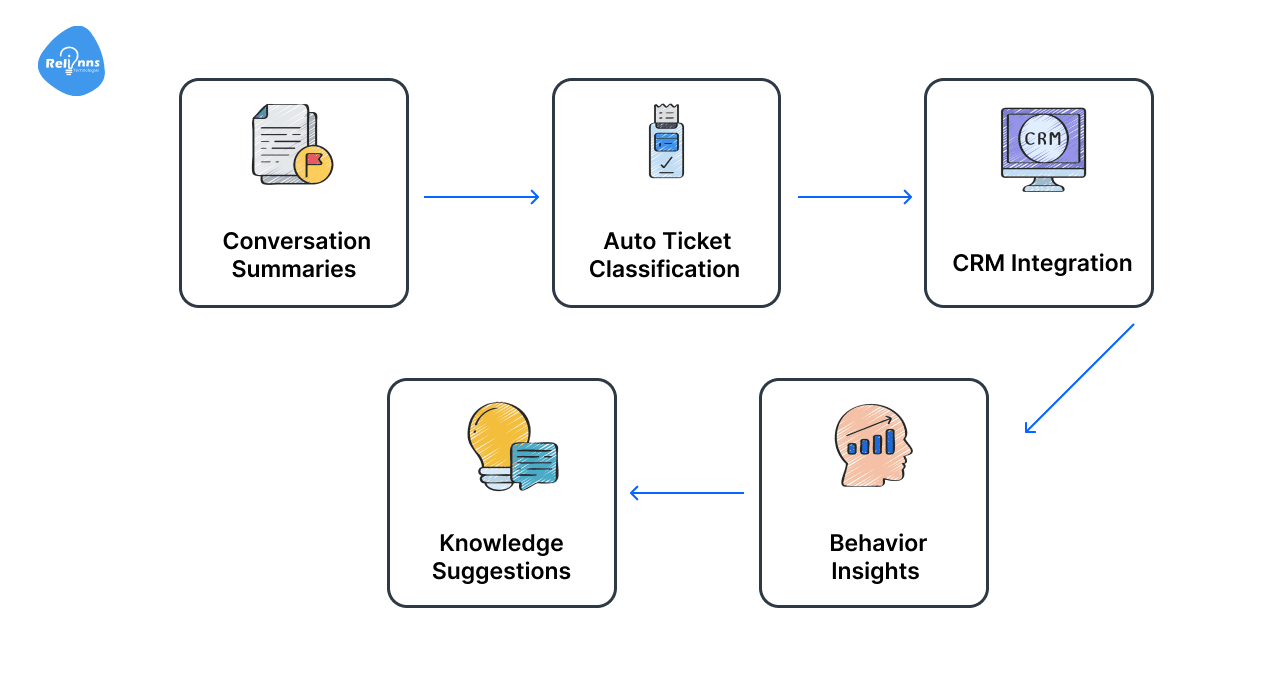
- Summaries reduce reading time for long customer email threads.
- Auto-classification helps agents manage tickets more efficiently.
- CRM integration connects customer activity with ongoing support records.
- Insights reveal customer behavior patterns during support sessions.
- Knowledge suggestions guide agents to accurate information quickly.
It benefits teams wanting structured, connected, and consistent service workflows.
Comparison Insights Across AI Customer Service Software
Comparing AI Customer Service Software helps companies select tools that fit their needs. Some prioritize strong automation, while others need clear workflows or CRM alignment.
Many organizations looking for the best AI customer service software prioritize response speed, integration reliability, and long-term usability.
Review data from G2 and Capterra shows improvements in resolution times and customer satisfaction after adopting AI. Businesses seeking the best-rated AI customer service software often align features with their communication channels.
Leading AI customer service software providers differentiate through scalability, structured workflows, and deep automation. Each platform on this list offers strengths suited to different operational demands.
Use Cases of AI Customer Service Software
AI customer service software transforms support operations by automating routine tasks, enhancing agent efficiency, and delivering consistent experiences that boost satisfaction, retention, and operational agility across industries.
Use Case 1: Retail Customer Experience Automation
Problem: A retail company experienced a surge in holiday-period queries, resulting in delays and customer dissatisfaction.
Solution: AI customer service software handled repetitive questions, triaged issues, and streamlined routing.
Results:
- Reduced workload on human agents through automated triage and replies.
- Stable response times during promotional seasons.
- Improved customer satisfaction through faster replies
- Higher containment rate for routine customer questions.
Use Case 2: SaaS Product Support Enhancement
Problem: A SaaS company saw onboarding delays and rising churn due to slow support response times.
Solution: AI Customer Service Software provided summaries, suggestions, and contextual insights for agents.
Results:
- Lower backlog through automated message organization.
- Better onboarding communication during customer setup.
- Faster response times across email and in-app channels.
- Stronger retention within recurring customer cycles.
Use Case 3: Telecom Customer Support & Billing Automation with AI
Problem: Telecom operators face high volumes of billing and service-related inquiries that strain contact centers, slow resolution times, and degrade customer experience.
Solution: Using AI-powered customer service tools, including virtual assistants, conversational AI, and generative AI, telecom companies can automate self-service support, resolve billing and service questions, and augment human agents with contextual insights and real-time assistance.
Results:
- Faster resolution for shared billing and account inquiries via AI-driven self-service
- Improved customer experience by giving customers instant & personalized answers
- Quick access to relevant insights to focus on complex cases & strategic retention efforts.
- In peak call volumes, AI handles routine tasks & humans handle highly complex issues.
Use case reference: IBM report on how generative and conversational AI transforms telecom customer service and contact center performance.
How to Choose the Right AI Customer Service Software
Choosing among AI Customer Service Software depends on team size, communication channels, and support volume.
Companies are evaluating the best AI customer service software, including integration options, analytics capabilities, and automation. Decision makers also consider long-term scalability.
Many teams comparing the best-rated AI customer service software look for structured workflows and accurate triage. Leading AI customer service software providers help companies shift from reactive support to a more predictable support model.
Matching features with organizational needs helps ensure consistency.
Selection Guidelines
- Evaluate automation strength to ensure reliable performance for your workload.
- Check integration options with CRM, ecommerce, and internal systems.
- Compare pricing for long-term adoption and scaling needs.
- Review ratings on trusted platforms for real user insights.
- Confirm workflow flexibility for evolving support operations.
Conclusion: Why AI Customer Service Software Shapes the Future of Support
AI customer service software has become essential for managing rising customer expectations. These tools help companies respond faster, reduce repetitive work, and organize communication across channels.
Businesses seeking the best AI customer service software prioritize stability, deep automation, and ease of use. Many organizations choose the best-rated AI customer service software based on integration strength and proven reliability.
Using leading AI customer service software helps companies improve resolution times and customer satisfaction. Reliable AI support tools are now part of everyday operations for companies that want predictable, consistent performance.
Relinns helps businesses adopt modern customer service solutions through custom integrations, automation workflows, and support optimization. Our engineering expertise ensures smoother deployment and long-term operational stability to support evolving service needs.
Teams looking to modernize service operations can work with Relinns to create dependable, scalable systems that support customer experience goals.
Why Choose Relinns?
- Delivery success rate above 94% across multiple enterprise transformation projects.
- Customer retention above 92% driven by consistent, long-term service reliability.
- Experience building more than 200 automation and digital service solutions.
- Faster deployment cycles cut implementation timelines by nearly 40%.
- Cost efficiency improvements reached 35% during modernization and workflow upgrades.
Frequently Asked Questions (FAQ's)
What is AI Customer Service Software used for?
They help teams manage large message volumes, organize workflows, and reduce manual effort. These tools support faster responses, consistent communication, and clearer customer interactions across multiple channels.
How do I choose the best AI customer service software for my business?
Start by checking automation depth, integration needs, and support volume. Compare pricing, workflow flexibility, and long-term scalability. Choose a platform that matches your team’s structure and service goals.
Are leading AI customer service software platforms suitable for small teams?
Yes. Many platforms offer flexible plans, simple setups, and clear workflows. Smaller teams benefit from fewer manual tasks, faster responses, and more organized communication without requiring complex enterprise features.
What makes the best-rated AI customer service software different from basic chat tools?
These platforms provide structured automation, organized routing, and contextual insights. They support accurate responses, consistent performance, and long-term service stability beyond simple message handling.
Do AI Customer Service Software replace human agents?
No. They reduce repetitive tasks and enhance clarity, but human agents remain essential. These tools help teams focus on complex cases and provide better support with enriched context.
Can these platforms integrate with CRM or ecommerce systems?
Most tools connect with CRM and ecommerce platforms to share customer data, improve ticket organization, and streamline communication. Integrations help teams manage conversations with a complete view of the customer.